

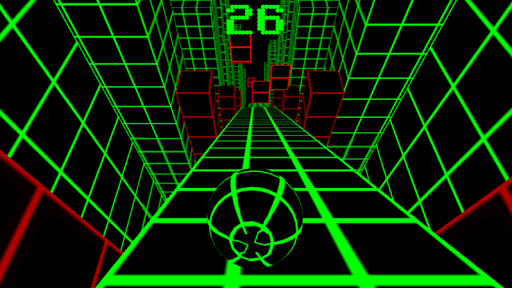
If you’re looking for a fun way to spend a few minutes—or lose track of time in the best way—playing an interesting game can be surprisingly simple. The key isn’t just “winning” or chasing high scores; it’s learning what the game asks you to do and getting into the rhythm of it.
A great example is Slope, a fast, physics-based runner where your main job is to stay alive as the terrain twists and ramps upward. It’s easy to pick up, but it keeps your focus because every small mistake can cost you momentum. If you want to explore it online, you can start here: Slope.
In this article, we’ll break down what makes games like Slope enjoyable, how to play them effectively, and a few practical tips you can use right away.
Gameplay (How to Experience Slope)
At its core, Slope is a momentum challenge. You control a ball that rolls down a twisting track filled with slopes, gaps, and obstacles. The “game feel” comes from two things working together:
- Smooth steering and timing
You don’t steer by aiming precisely like a shooter—you steer by choosing when to move left or right to keep the ball on a safe line. That means the best plays often happen a moment before you “see” the danger. - Learning the track’s personality
Tracks aren’t just random hurdles; they have patterns. You’ll notice the pace changing, curves forming, and segments that punish slow reactions. As you play, you start anticipating which parts will demand faster adjustments.
A typical session goes like this:
- You start at the top and immediately focus on control.
- The track quickly introduces obstacles, forcing you to adapt without pausing.
- Your goal is to travel as far as possible while avoiding falls and collisions.
If you’re playing on a web version, the controls are usually straightforward (often mouse or touch input). That simplicity is part of the appeal: you can spend less time fiddling with settings and more time actually learning the game’s flow.
For many players, it also helps to have a repeatable “warm-up” routine. For example, play a couple of short runs just to feel how the ball responds on curves. Over time, your brain starts predicting the next curve rather than reacting to it late.
Overview
- Category: Local Jobs
- Job Type: Full Time
- Industry: Events & Entertainment
- Educational Specialization: Business & Management
Location
Related Ads









Leave feedback about this